
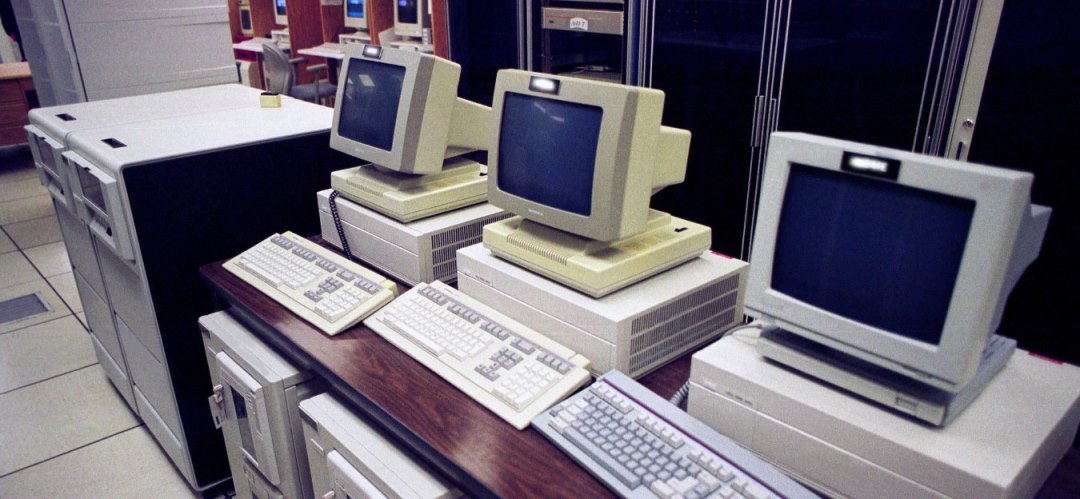
The advent of information technology has made our marketplaces a noisy business arena; the world is busy shopping for one of man's greatest inventions, the computer. In the early days of computing, when computer illiteracy was in vogue, there was a popular saying among shoppers that "nobody ever got fired for buying IBM." In this view, most people preferred to purchase brand-name computers rather than their generic counterparts, the home-built machines.
But as computer literacy expanded and the information age gradually emerged, the upgrade began to play a key role in the market, as people realised they could upgrade their almost-obsolete veteran machines. The idea of home-built became a widely known choice, not only for technicians and professionals but for every layman on the street. Whether we like it or not, home-built is here to stay.
Why do people still prefer a name brand in this computer age? What are the facts behind both the brand-name computer and its home-built counterpart? Do the brand-name companies provide great deals for their highly priced products? This piece intends to answer some of these questions, and the big one: why, and under what circumstances, are people likely to buy brand-name computers rather than home-builts?
People are likely to buy a brand-name computer if the facts and figures are convincing enough to help them make the right choice.
A case study is given by unknown researchers, of two computer users who held opposite views about brand-named and home-built computers respectively. They both decided to buy computers of the same configuration and capacity. A brand name was picked and a home-built configured, each similarly built to reflect the average entry-level business standard of the day: a Pentium III 500MHz processor, a 40X CD-ROM, a large hard drive, 64MB of RAM, a 17-inch monitor, a network card and a video card with 8MB of RAM.
After purchase and installation, the brand name cost about 25% more than the home-built counterpart. Both systems were put into similar maximum office use. After about five months, the home-built started developing problems that resulted in the outright replacement of some vital hardware, all at the owner's expense. The brand name developed its first problem in the ninth month and was adequately taken care of by the warranty agreement spanning the first year of purchase.
The facts are obvious and the figures tenable: the stability and durability of a computer depend on the quality of each hardware component. Brand-name companies hardly ever use very low-quality hardware, but a home-built component cannot be quality-guaranteed; it is a game of luck. The figures show a price difference during purchase, but the after-effect expenses of the home-built cannot be over-emphasised.
The advantages of brand-name computers
The advantages of a brand-name computer can be enumerated as the favourable circumstances behind why it is the people's choice. In an article by Phil Moura entitled "Brand-names or Home-builts?", convenience, easy purchase (whether online or at authorised dealers), technical support, user-friendly documentation and ready-to-use computers were the reasons people buy brand-names.
Apart from not having to research and decide which hardware components best fit your needs, you do not need to employ an expert to search for and install an operating system or an office suite. It saves you a lot of time. As Phil put it: if you are the kind of person who does not have much spare time, you should consider purchasing a computer rather than building one, because setting up a machine and loading all the necessary software is a task that takes many hours.
The user-friendly documentation that comes with brand-name computers helps beginners get the most from their machine, imparting knowledge along the way. Technical support from manufacturers, spanning between one year and an entire lifetime online, and standard warranties on parts and labour between one and three years, are back-up services such companies provide as a return on value for money.
Software applications have made computer purchase an inevitable task for every business venture, whether small or large. The productivity of software depends greatly on the capabilities of the hardware, and brand-name computers have been a software-friendly choice. Even software companies prefer to test-run newly developed software on quality computers. Another tag for brand-name computers is therefore well earned.
Another tag for brand-name computers is: "Trusted Computers".
The common brand names
Above all, you can be sure you are buying the best quality from a branded company whose reputation is determined by the quality of its products. The durability, compatibility and quality of brand-name computers are their greatest advantage over home-built. The most-mentioned disadvantage is price. Yet, if the case study above is studied carefully, the cost of a name brand that can last the entire decade is worth the price at the end of the day.
Over the past few years, with the advent of the sub-$1000 PC market, brand-name companies have begun to offer great deals as prices continue to drop. The competition raging between manufacturers like Dell, Compaq, IBM and Gateway has contributed to the drastic fall in price. Performance plus price equals unbeatable value.
Are brand name computers worth it?
Finally, a survey was done to determine the effect of brand-name computers on small-scale businesses, considering three internet cafés in one fast-developing vicinity. Each had a minimum of fifteen computer systems networked together and connected to the internet. One café's computers were all brand-named, another's were all locally configured, and the third paraded a mix of both.
After a few months of operation, the all-brand café had an increasing number of customers as the days passed, though its tariffs were slightly higher. The all-home-built café, despite having the fastest internet connection of the three, began having problems with its systems as customers complained about malfunctions, losing a great deal of money. The mixed café stood at the middle of the two extremes; most customers would wait for the "good" branded systems rather than work with the "lowly rated" ones, gradually losing some customers.
This survey clearly concluded that only quality computers are good enough for healthy business sustenance, which is recommended for developmental advancement in our societies. I urge you to consider the odds of both brand-named computers and their generic counterparts, then make a sincere comparison as to what should be the people's choice. If the facts enumerated here are considered, I rest my case and declare brand-name computers the people's choice. Brand-name computing is evolving, and so are the ways we help organisations choose and procure the right hardware.
Procuring IT the smart way
As an approved UK supplier, we help you specify, source and roll out hardware that lasts.